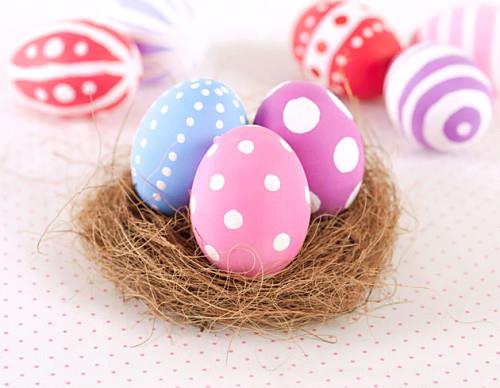
Easter eggs, also called Paschal eggs, are decorated eggs that are often given to celebrate Easter or springtime. As such, Easter eggs are common during the season of Eastertide (Easter season). The oldest tradition is to use dyed and painted chicken eggs, but a modern custom is to substitute chocolate eggs, or plastic eggs filled with confectionery such as chocolate. Although eggs, in general, were a traditional symbol of fertility and rebirth, in Christianity, for the celebration of Eastertide, Easter eggs symbolize the empty tomb of Jesus, from which Jesus resurrected.

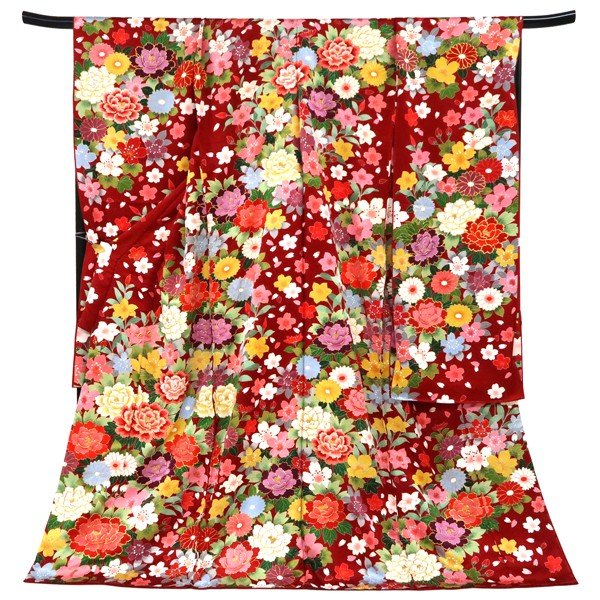
Kimono are made from mostly rectangular pieces of fabric cut from a long, thing bolt, known as a tanmono. There are different types of kimono for men and women, and these kimono can indicate the wearer's age, gender, the formality of the occasion, and, less commonly, the wearer's marital status. Types of kimono range in formality, and kimono can be worn to the most and least formal of events.
In modern day Japan, the kimono is not commonly worn as everyday dress. It has steadily fallen out of fashion as the most common garment for a Japanese person to wear, and is now most commonly seen at summer festivals, where people mostly wear the yukata, a type of kimono that is relatively cheap and easy to wear. It is also less commonly seen at weddings and funerals, but these are typically the only times the average person wears a kimono.